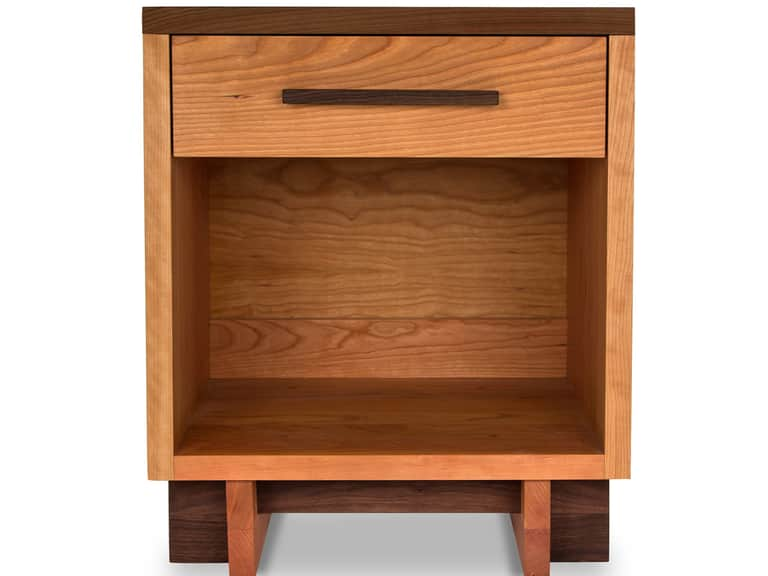
Modern American 1-Drawer Enclosed Shelf Nightstand

Understanding How Sleep Environment Shapes Rest: A Practical Guide

Explore how bedroom conditions influence sleep quality, from light and temperature to acoustics and layout. This guide offers practical, evidence-backed steps to create a calmer, sleep-promoting space without commercial fluff.


Sleep science and the bedroom environment

If sleep is a nightly negotiator between body and mind, then the bedroom is the stage where that negotiation unfolds. The science is consistent: our brains respond to sensory cues—light, sound, temperature, and even the arrangement of space—by tuning the sleep-wake cycle, a rhythm deeply tied to circadian biology. In the quiet of a well-tuned room, the brain can transition through stages of sleep with less disturbance, enabling deeper, more restorative cycles.

The elements below act as levers. Subtle adjustments can yield meaningful gains in sleep efficiency, perceived restfulness, and daytime functioning. The following sections combine current sleep science with practical steps you can implement in any space—without commerce lacing the guidance.

Core factors shaping sleep in the bedroom

  • Light exposure: Light not only wakes us but also informs the brain about time. Evening and night lighting should minimize blue wavelengths and avoid bright, stimulating sources. Use warm, dim lighting as you wind down and consider blackout curtains or sleep masks for morning light sensitivity.
  • Ambient temperature and humidity: The body tends to prefer a cooler sleep surface. Most adults find an ambient bedroom range around 60–67°F (15–19°C) conducive to sleep, but individual comfort varies. Temperature interacts with bedding to influence perceived warmth and moisture.
  • Acoustics and sound control: Even low-level background noise can fragment sleep, particularly during light sleep stages. Soft, consistent sound profiles or white noise can help stabilize sleep by masking irregular sounds.
  • Layout and ergonomics: The bed should be oriented for comfortable access and a sense of sanctuary. Clutter-free surfaces and a calm aesthetic reinforce a psychological cue for rest, reducing cognitive arousal at bedtime.
  • Bedding and materials: Breathable fabrics, appropriate loft, and mattress compatibility with temperature regulation all contribute to comfort and sleep stability.

Evidence-backed, practical tips you can implement

  1. Calm lighting protocol: Dimmable, warm-spectrum lighting after sunset; avoid overhead bright light for at least two hours before bed. If you rely on screens, use settings that reduce blue light exposure, or wear blue-light blocking glasses.
  2. Temperature strategy: Prepare a breathable bed setup and consider a programmable or layered approach to bedding. A light blanket for warmer months and a heavier layer for cooler nights can help maintain a stable microclimate.
  3. Acoustic environment: If external sounds intrude, introduce a consistent, gentle sound profile or soft furnishings that absorb noise. Earplugs are a personal option, but consider how your overall room acoustics might be optimized first.
  4. Space and layout optimization: Clear under-bed clutter, keep surfaces minimal, and position the bed away from direct doorways or windows when possible to reduce stimuli and drafts.
  5. Material selection for comfort and breathability: Favor natural fibers for bedding and lacquers that minimize off-gassing. Consider fabrics like cotton or linen in breathable weaves and avoid heavy synthetics next to skin.
  6. Routine cues and consistency: A consistent wind-down ritual helps the body anticipate sleep. This can include light stretching, reading a physical book, or a short mindfulness exercise—something that signals the brain to relinquish daytime cognition.

Three key figures across time who illuminate sleep and space

Hippocrates (c. 460–370 BCE)

The ancient physician viewed health as a balance of humors and environment. In his treatises, the physical and ambient conditions of a space—air, light, and temperature—were integral to the body’s equilibrium. Though centuries ago, his insistence on observing natural causes for wellness anticipates modern sleep hygiene by foregrounding the bedroom as a space with measurable effects on well-being.

Florence Nightingale (1820–1910)

A reformer who reframed the hospital ward as a space of care, she championed hygiene, cleanliness, and environmental control—principles that translate to modern bedroom environments. Her emphasis on atmosphere as a determinant of health resonates with today’s sleep environment focus, where air quality, temperature, and light shape restorative rest.

A. C. Pigou (1877–1959)

A economist known for welfare considerations, Pigou’s ideas about externalities illuminate how personal space contributes to aggregate well-being. In sleep terms, the bedroom becomes a locus where micro-externalities—noise, light leakage, even texture of textiles—affect mood, physiology, and next-day productivity.

A practical guide to sleep-friendly bedroom design

Lighting and atmosphere

Create a lighting plan that supports circadian alignment. Dim, warm lighting during the two hours before bed helps signal bedtime. Consider layered lighting—ambient, task, and accent—so you can tailor brightness to mood and activity without a single dominating glare.

Post-sunset lighting should tilt toward a spectrum of hues that minimize circadian disruption. The goal is a soft, enveloping glow that tells the brain it's time to slow down.

Temperature, bedding, and airflow

A breathable bedding system that adapts to temperature swings is essential. Layered covers, breathable fabrics, and a mattress that matches your sleep posture create a stable microclimate. Ensure airflow around the bed—sleep thrives where there is steady, comfortable air exchange.

When the room too warm, remove excess layers; when too cool, add a thin, insulating layer. The key is maintaining a dynamic balance rather than a fixed degree.

Acoustics and space clarity

Consider soft furnishings and textiles that dampen sharp sounds. A clutter-free nightscape reduces cognitive load, helping the mind transition toward rest. If external noise is persistent, a stable sound profile can help mitigate disruption.

Layout and sanctuary cues

A bed positioned to minimize traffic flow through the space, clean surfaces, and a calm color palette create a psychological cue for rest. The atmosphere itself becomes a contributor to sleep quality, rather than a passive afterthought.

A curated resource: Sleep environment essentials

This guide leans on evidence-based, non-commercial guidance. For readers seeking tangible, well-crafted pieces that align with the sleep-focused ethos, here are a few suggested items and considerations that harmonize with the spirit of thoughtful interior design. The inclusion of products below is in a recommended, non-promotional context to illustrate how a sleep-friendly room can be assembled with quality furnishings that respect the environment and the science.

A calm, durable nightstand

A surface for night-time essentials that remains unobtrusive. Solid wood, minimal hardware, and a design that ages gracefully can anchor a sleep-friendly bedside.

Featured item: Modern American 1-Drawer Enclosed Shelf Nightstand — Vermont-made solid wood, natural oil finish, with one drawer and enclosed lower shelf. Available in natural cherry or walnut, a sturdy companion for a serene sleep space.

A refined lofted option

If you’re rethinking spatial proportions or aiming for a lighter visual weight, consider pieces that preserve airiness while providing function.

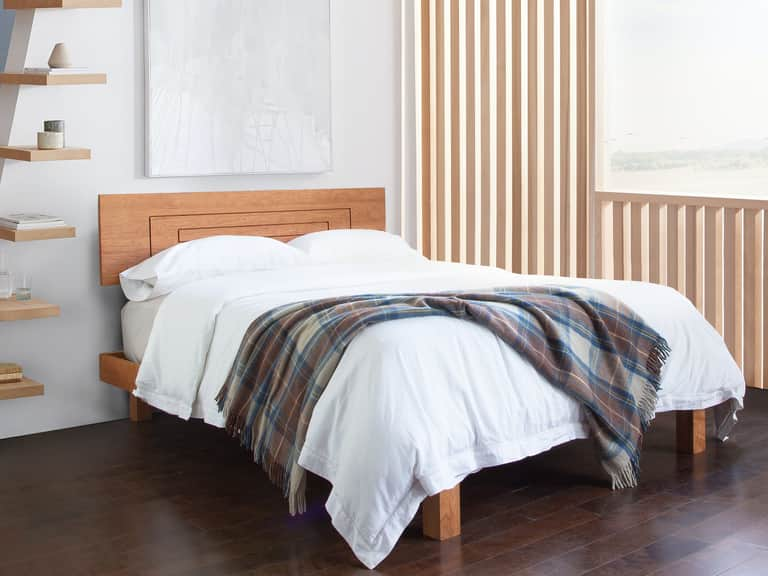
Featured item: Loft Bed — Sustainably harvested cherry wood, traditional joinery, and an eco-friendly hand-applied oil finish. Vermont-crafted, designed for longevity and a grounded sense of space.

Conclusion: Sleep spaces as daily wellness architecture

The bedroom, as a domain of personal well-being, deserves more than cosmetic polish. It requires a quiet, calibrated logic: light that gently ushers in rest, temperature that mirrors the body's twilight, acoustics that buffer the world’s hum, and a layout that invites peace rather than stimulation. In such rooms, sleep is not a passive event but a practiced habit—an architecture of rest that returns us to ourselves night after night.

If you’ve stayed with this guide, you’ve already begun the slow, deliberate act of reimagining your sleeping environment. The goal isn’t perfection but a series of informed adjustments that honor both science and human comfort. In the end, a sleep-friendly bedroom is a sanctuary that, paradoxically, makes you more awake to the world during the day—more present, more balanced, more capable of showing up for what matters.

Note on sources: This guide synthesizes contemporary sleep research on circadian rhythm, temperature regulation, and environmental factors affecting sleep quality. Where possible, claims reference established sleep science literature. Always consult healthcare professionals for sleep-related concerns, especially if sleep disturbances persist.

Related Products

Modern American 1-Drawer Enclosed Shelf Nightstand

Vermont Furniture Designs

Modern American 1-Drawer Enclosed Shelf Nightstand

Handmade Vermont nightstand in solid cherry or walnut, with a natural oil finish. Enjoy durable, clutter-free storage: a drawer for small items and a discreet shelf for larger essentials, all in a clean, timeless design that ages gracefully.
Modern Craftsman 3-Drawer Nightstand

Vermont Furniture Designs

Modern Craftsman 3-Drawer Nightstand

Handmade to order in Vermont from cherry, maple, or walnut, this three-drawer nightstand shines with an eco-friendly finish, smooth drawers, and clean Arts & Crafts lines—giving you durable, versatile bedside storage that enhances any bedroom.
Loft Bed

Vermont Furniture Designs

Loft Bed

Savvy buyers will love this solid cherry loft bed from Vermont, built with traditional joinery for lasting sturdiness and finished with an eco-friendly oil that’s calm to the touch, clean lines, and a timeless, comfortable resting space.

Theme