Wool comforters offer natural temperature regulation, helping to balance warmth and breathability for year-round use. The intrinsic properties of wool—fiber loft, moisture wicking, and insulation—contribute to a cozy sleeping environment without overdrying or overheating. This category highlights designs suited for diverse sleeping preferences and room climates.
Key features to consider include fiber content, weave construction, and fill weight. Wool comforters typically use premium wool fibers that resist compression, maintain loft, and provide durable loft over time. Variations in thickness address lighter, medium, and heavier warmth needs, making them compatible with layered bedding systems and seasonal adjustments.
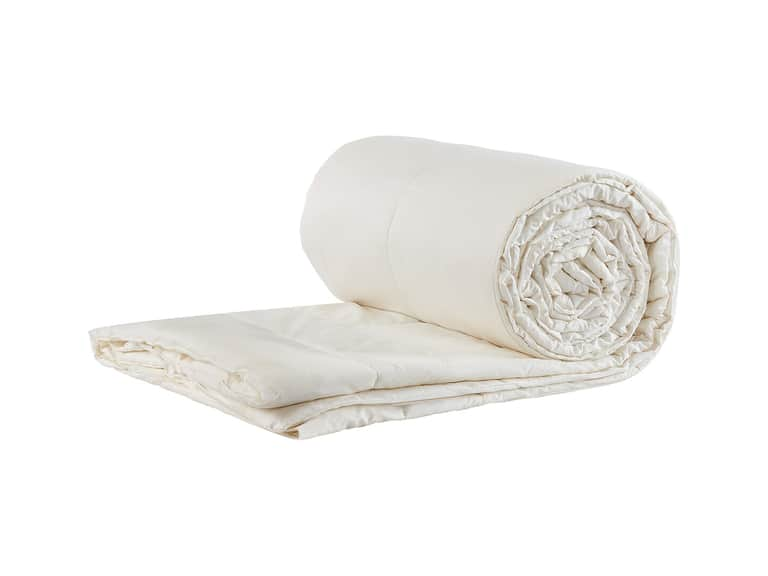
Within this category, products such as Sleep and Beyond myComforter demonstrate how wool can pair with different shell fabrics and stitching patterns to enhance even insulation and durability. Functional benefits include hypoallergenic potential, natural odor resistance, and excellent moisture management, which can contribute to a cleaner, drier sleep surface.
Understanding care guidance is essential for longevity. Wool comforters generally benefit from air drying or low-temperature care cycles and sporadic fluffing to maintain loft. Proper care supports sustained insulating performance, reduces pilling, and preserves comfort levels across multiple seasons in varied bedroom settings.
For practical use, consider compatibility with bedding systems like sheets and pillows, as well as compatibility with adjustable beds. The interplay between wool comforters and other textiles supports stable thermal comfort, enabling users to customize warmth through layering with blankets, duvet covers, and pillow arrangements while sleeping.
 Bedding